
As lithium demand increases, we recognise our role in supporting global efforts to address climate change and limit fossil fuels, while contributing to a more sustainably powered future supported by clean energy and lithium production.
Our approach supports the objectives of the Paris Agreement to limit global temperature rise to well below 2°C above pre‑industrial levels.
Climate considerations are embedded into strategic planning, operational decision‑making and risk management processes across our mining operations and broader business activities.
Delivery of our climate strategy is supported by our Climate Transition Action Plan, which outlines decarbonisation priorities, key initiatives and stakeholder engagement activities. The plan is reviewed periodically to reflect evolving technology, market conditions and climate science.
Scenario analysis is used to assess potential physical and transition risks, supporting informed planning, investment decisions and long‑term resilience. This includes the risks related to carbon emissions and greenhouse gas exposure.
Executive leadership is responsible for implementation and management of climate initiatives, supported by cross‑functional teams across the business.
A Climate Change and Decarbonisation Steering Committee supports delivery of the climate strategy, monitors progress and supports alignment with regulatory and disclosure requirements.
Our approach to climate change is guided by our Climate Change Position Statement and supporting frameworks, which define how emissions, risks and opportunities are managed across the business. This includes the environmental impacts of lithium and broader environmental responsibility commitments.
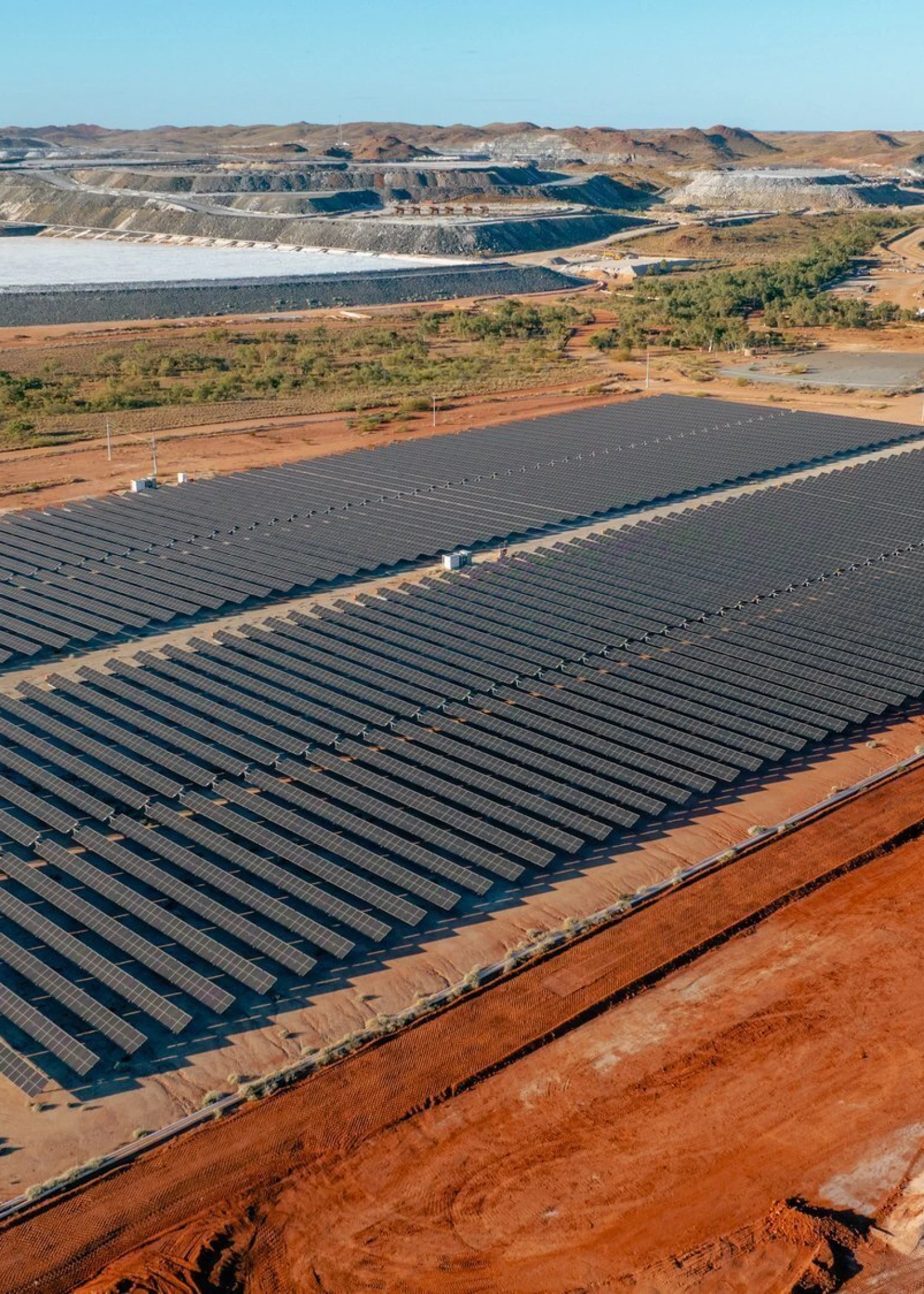
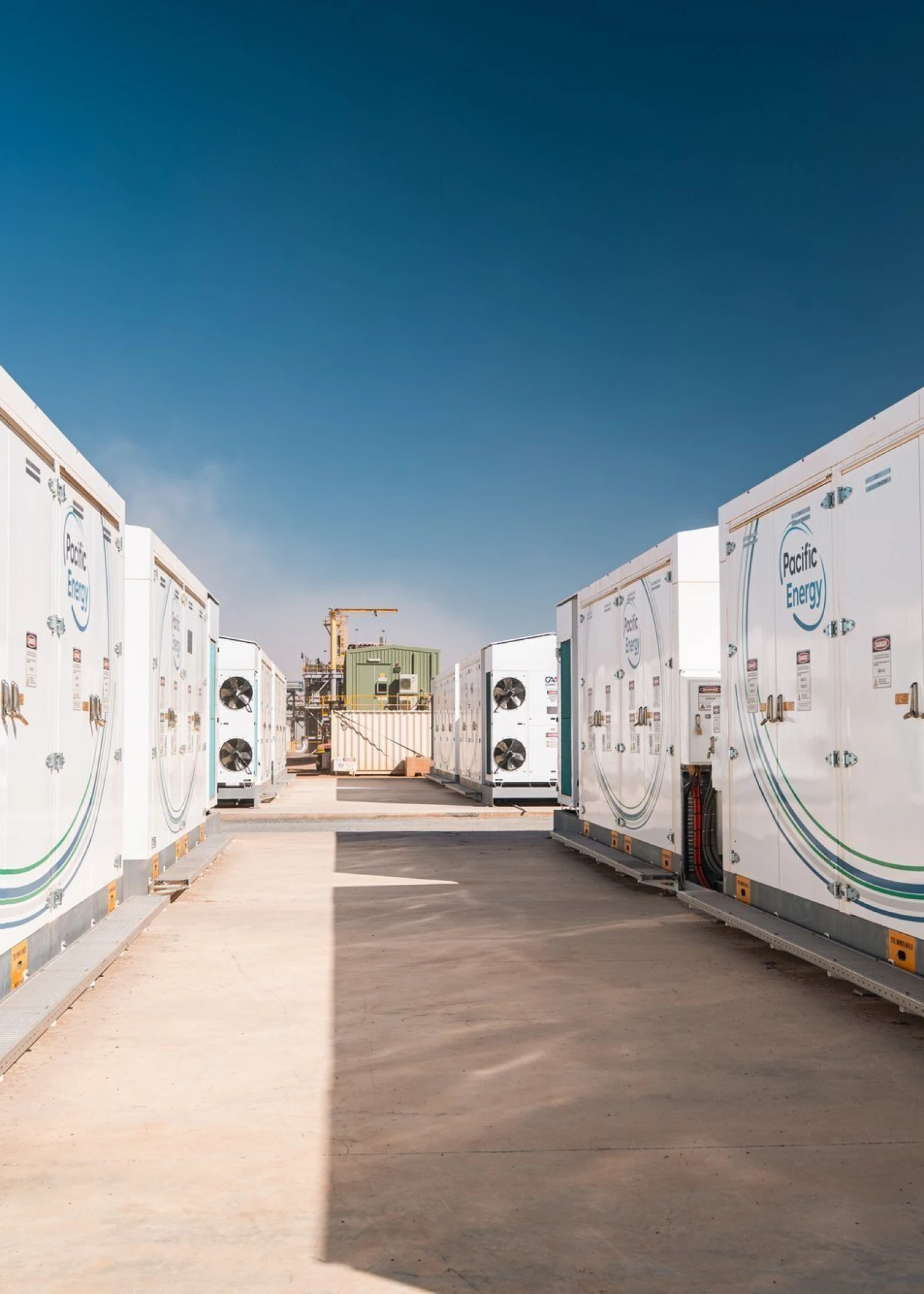
Key areas include delivery of our Power Strategy, improvements in energy efficiency and transition to lower‑emissions energy sources, reducing overall carbon footprint and energy consumption.
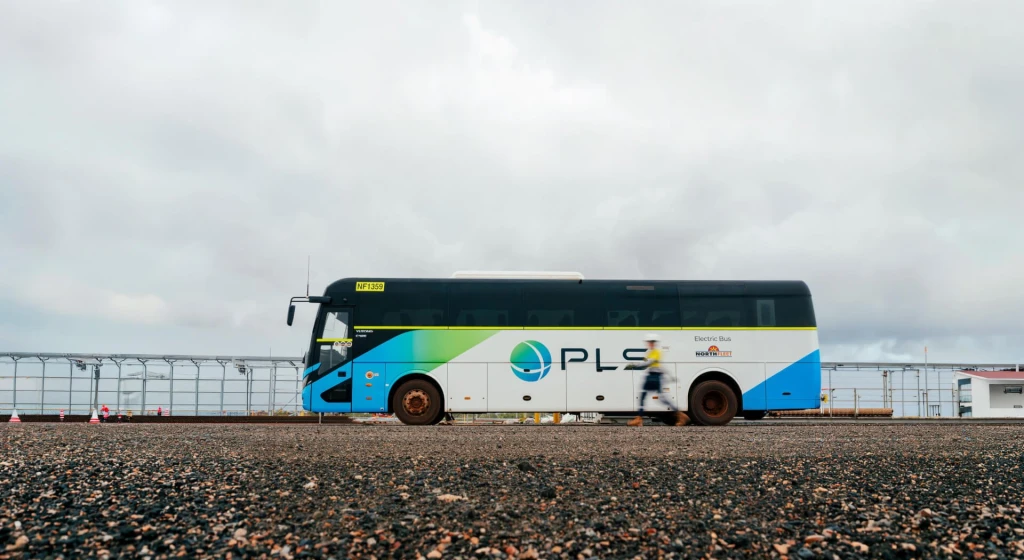
Decarbonisation of mobile equipment is being progressed through our Heavy Mining Equipment Strategy, supported by trials of emerging technologies, electrification pathways and operational improvements.
Digital emissions management systems support emissions tracking, analysis and informed decision‑making to identify and prioritise reduction opportunities.
To reduce power-related emissions intensity at Pilgangoora by up to 80% by 2030, relative to FY23 levels.
To progressively decarbonise mobile equipment in line with the Heavy Mining Equipment Strategy, aiming to transition to electrification commencing 2035.
To achieve net zero scope 1 and 2 emissions in the decade commencing in 2040.
This includes improving emissions data, engaging with suppliers and considering opportunities to reduce emissions beyond our operational boundary.
Partnerships and innovation across the battery materials supply chain support longer-term value chain decarbonisation, including supporting materials used in lithium batteries and next-generation technologies such as lithium iron phosphate.
Climate considerations are progressively integrated into risk management, strategic planning and capital allocation processes.
Delivery of our climate strategy and long-term sustainability outcomes is supported by ongoing stakeholder engagement, industry collaboration and continued investment in capability development. We leverage technology and innovative practices to deliver the materials essential for a sustainable energy future.
Our climate performance is tracked through emissions monitoring, reporting and progress against our decarbonisation pathway.
For more information on our climate change performance:
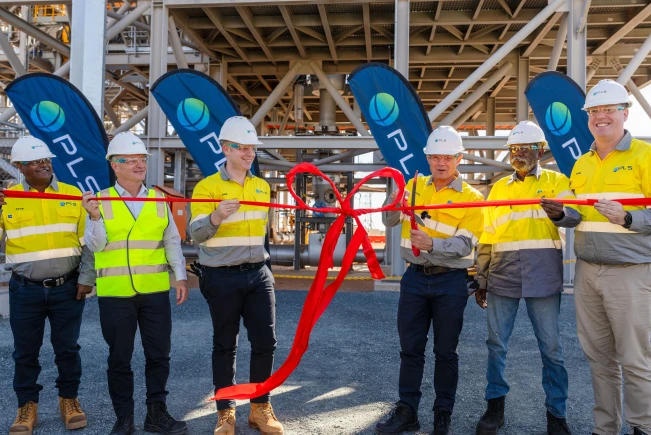
PLS today opened Australia’s first mine-site lithium mid-stream processing facility at its Pilgangoora Operation in Western Australia, with WA Premier Hon. Roger Cook MLA officially cutting the ribbon. The Mid-Stream Demonstration Plant Project (Demonstration Plant) represents a significant milestone in PLS’ strategy to move further down the battery materials value chain and capture greater...
PLS has reached a key milestone in its Mid-Stream Demonstration Plant Project, with commissioning commencing following completion of the Mid-Stream Demonstration Plant ownership restructure, securing of ARENA grant funding and execution of an offtake agreement with Ningbo Ronbay New Energy Technology Co. Ltd (Ronbay). PLS’ Mid-stream Demonstration Plant represents a deliberate step to test more...
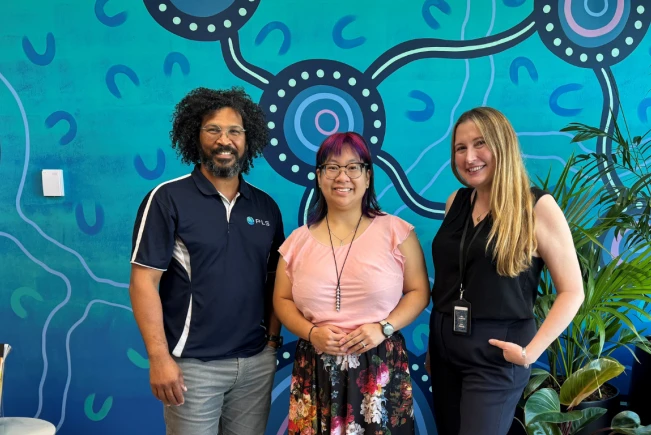
PLS is supporting the next generation of renewable energy professionals through a scholarship partnership with the University of Western Australia (UWA). Through our Community Investment Program, we are funding two scholarships for students enrolled in the Master of Renewable and Future Energy at UWA. The initiative reflects our commitment to strengthening the skills and capability needed to...
Receive updates on ASX announcements and company news.